
What Synchronicity Really Means
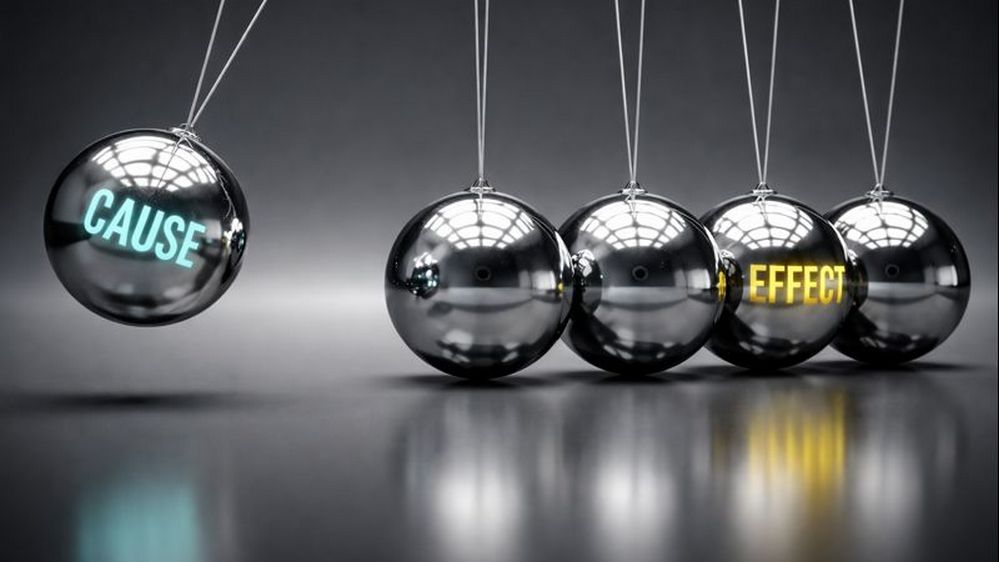
Synchronicity is often described as a “meaningful coincidence” — events that align in a way that feels intentional, symbolic, or personally relevant, even when there is no obvious cause-and-effect relationship.
Unlike random coincidence, synchronicity carries a sense of resonance. Something in you recognizes the moment as significant before your mind can fully explain why.
Why Synchronicity Feels Personal
Synchronicities are rarely universal messages. They are contextual, symbolic, and deeply personal. The same event may feel meaningless to one person and profound to another.
This is because synchronicity interacts with your inner state — your questions, transitions, focus, and emotional landscape. It reflects inner awareness outward, like a mirror briefly aligning.
Common Forms of Synchronicity
Synchronicity doesn’t usually arrive as something dramatic. It shows up subtly, woven into everyday life.
Common examples include:
- repeated numbers or symbols appearing during decision points
- thinking of someone just before they contact you
- encountering the same phrase, idea, or message from multiple unrelated sources
- chance meetings that alter direction or perspective
- unexpected information arriving at the exact moment it’s needed
Synchronicity vs. Random Coincidence
Not every coincidence is a sign. The difference lies in impact and timing.
Synchronicity tends to:
- occur during transitions, uncertainty, or heightened awareness
- feel emotionally neutral but internally significant
- clarify rather than confuse
- repeat gently rather than aggressively
Random coincidence usually passes without leaving an internal imprint. Synchronicity lingers.
The Role of Awareness in Noticing Patterns
Synchronicity doesn’t increase because the universe suddenly becomes louder. It increases because awareness becomes sharper.
When attention slows and presence deepens, patterns that were always there become visible. This is not magical thinking — it’s pattern recognition paired with meaning-making.
Why Synchronicity Often Appears During Uncertainty
Many people report heightened synchronicity during periods of transition: career shifts, relationship changes, spiritual awakenings, grief, or reinvention.
During these phases, the mind loosens its grip on certainty, creating space for intuitive perception. Synchronicity often serves as reassurance that movement is happening, even when outcomes are unclear.
How to Work With Synchronicity Without Obsessing
One common pitfall is over-interpretation. When people begin searching desperately for signs, synchronicity loses its grounding.
A healthy approach looks like this:
- notice patterns without forcing meaning
- observe emotional response rather than external symbolism alone
- use synchronicity as reflection, not instruction
- stay rooted in practical action
Synchronicity Is a Conversation, Not a Command
Synchronicity doesn’t remove responsibility. It doesn’t tell you what to do. It highlights themes, alignment, or resonance.
Think of it as punctuation rather than a script. A pause, an underline, a question mark — not a final answer.
When Synchronicity Seems to Disappear
Periods without noticeable synchronicity are not failures. They often coincide with phases of integration, grounding, or focused action.
Life moves between awareness and embodiment. Both are necessary.
A Simple Way to Reflect on Synchronicity
Instead of asking, “What does this mean?” try asking:
- What was I thinking or feeling right before this occurred?
- What question was alive in me?
- Did this create clarity, calm, or direction?
- Does it invite awareness rather than urgency?
Closing Thoughts: Pattern, Meaning, and Trust
Synchronicity lives at the intersection of inner awareness and outer experience. It doesn’t prove anything — it reveals relationship.
When approached with curiosity rather than fixation, synchronicity can become a gentle guide, reminding you that attention, timing, and meaning are deeply connected.