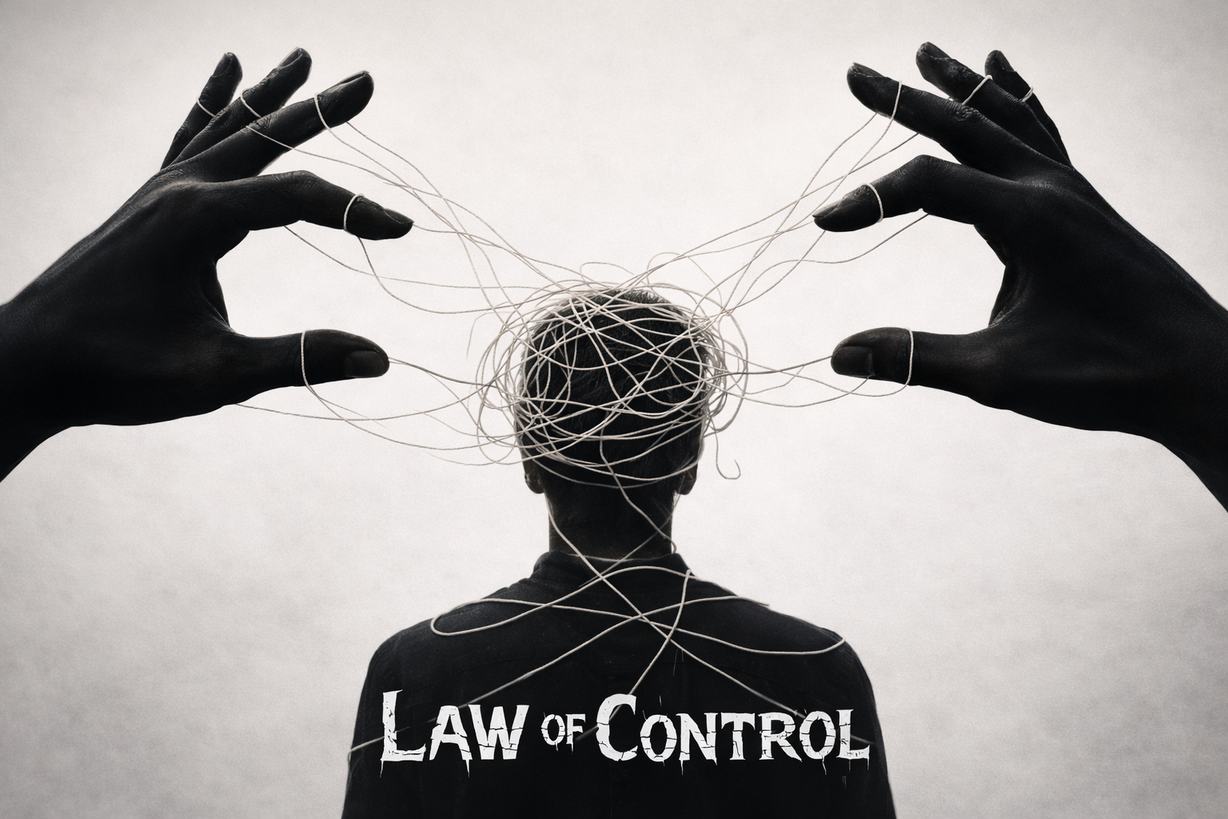

If imagination were a country, it would be the most densely populated place on earth. Everyone lives there, but very few people take responsibility for what they’re building.
For decades, imagination has been dismissed as something for children, artists, or people who “have too much time on their hands.”
Somewhere between paying bills, raising families, and developing an impressive collection of reading glasses, many adults quietly abandoned it. Yet metaphysics has always insisted on one thing: imagination never left you. You just stopped paying attention.
The Law of Imagination is one of the foundational spiritual laws, and it is both wonderfully simple and deeply inconvenient. It states that imagination is not a fantasy playground. It is the creative engine through which reality takes form.
What you consistently imagine, emotionally accept, and internally rehearse becomes the blueprint your life follows.
In short, your imagination is not entertaining you. It’s instructing reality.
What Exactly Is the Law of Imagination?
The Law of Imagination teaches that imagination is a divine faculty, not a mental distraction. It is the bridge between the unseen and the seen. Long before something shows up in your physical life (good, bad, or confusing), it has already been constructed internally through repeated mental imagery, expectation, and belief.
This law does not care whether your imagination is being used deliberately or accidentally. It functions regardless. Think of it as a very loyal employee who follows instructions exactly as given, without questioning whether those instructions came from wisdom or from a late-night spiral at 2 a.m.
Imagine replaying an argument in your head for three days straight. The words get sharper, your comebacks improve, and by day four, you are emotionally furious at someone who hasn’t said a word since Tuesday. That’s the Law of Imagination at work. The body reacts. The nervous system responds. The emotional charge becomes real, even though the scene never happened again in the physical world.
Now imagine using that same mental power intentionally.
Imagination Is Not Wishful Thinking
There is a major difference between imagination and daydreaming. Daydreaming is casual. Imagination, under metaphysical law, is participatory.
It involves sensory detail, emotional acceptance, and repetition. It’s not about hoping something might happen someday if the universe is in a good mood. It’s about mentally occupying the state of the thing as if it already exists.
This is why imagination has always been described as creative rather than decorative.
If that sounds suspiciously powerful, it’s because it is.
Every invention, relationship, career shift, and life reinvention started in imagination first. Even the things people swear were “unexpected” usually had a mental rehearsal somewhere in the background. The mind had already visited the scene before the body arrived.
Why This Law Hits Harder After 40
By the time people cross the 40 mark, imagination tends to go quiet…not because it stopped working, but because it became habitual. Instead of imagining possibilities, many people begin imagining consequences. Instead of seeing opportunity, they mentally rehearse disappointment.
This is not pessimism. It’s experience running the show.
Experience is useful, but it makes a terrible creative director.
The Law of Imagination doesn’t care how many times you’ve been burned, disappointed, or let down. It responds to the images you consistently hold now. If your imagination is stuck replaying old failures, the law will faithfully continue reproducing them. Loyalty can be a problem when the instructions are outdated.
The good news is that imagination does not age. It doesn’t have a retirement plan. It doesn’t say, “We tried that in our thirties.” It simply waits for direction.
The Body Believes the Mind Without Question
One of the most fascinating aspects of the Law of Imagination is that the body cannot tell the difference between a vividly imagined experience and a real one. This is why your heart can race during a memory, your stomach can tighten over a future scenario that hasn’t happened, and your mood can collapse over a conversation that exists only in your head.
This is also why athletes visualize before competition, why performers rehearse mentally, and why stress can make people physically ill without any external cause.
Imagination sets the emotional tone, and emotion signals the body. The body then behaves as if the imagined scenario is real. Reality eventually follows suit because behavior, decisions, and energy shift accordingly.
In other words, imagination quietly rearranges your life while you think you’re just thinking.
You Are Always Imagining – The Question Is What
The Law of Imagination is not something you switch on. It is always running. The real question is whether you are using it consciously or letting it run on autopilot.
Autopilot imagination usually sounds like this:
“What if this goes wrong?”
“This never works out for me.”
“I already know how this ends.”
Those statements may feel practical, mature, or even responsible. Unfortunately, metaphysical laws do not respond to tone or intention. They respond to imagery and belief. If you consistently imagine limitation, the law will deliver accuracy.
Conscious imagination, on the other hand, requires intention. It asks you to choose images that feel real, not dramatic. The goal is not fantasy castles or instant miracles. The goal is alignment…mentally living from the state you want to experience rather than constantly observing the state you dislike.
Imagination Works Best When You Stop Arguing With It
One of the biggest mistakes people make when trying to apply this law is overthinking it. They try to “believe harder,” analyze results, or constantly check whether it’s working. That’s like planting a seed and digging it up every two days to see if it’s stressed.
Imagination works through acceptance, not force. It functions when the imagined state feels normal, familiar, and emotionally settled. Not exciting in a fireworks way, just quietly obvious.
This is why small, believable shifts often manifest faster than dramatic ones. The imagination accepts what feels reasonable first. Once trust is built, it expands.
The Law of Imagination Is Uncomfortable Because It Removes Excuses
Here’s the part most people don’t love: if imagination creates reality, then blaming circumstances gets harder. The law doesn’t deny external challenges, but it does insist that your internal world is the starting point.
That can feel confronting, especially after years of believing life simply happens to you. But it’s also deeply empowering. Because if imagination created the pattern, imagination can change it.
And no, this doesn’t mean every bad thing is your fault. It means you are not powerless, which is far more useful.
So, Guard Your Imagination Like Property
If imagination is creative power, then it deserves boundaries. Not everything deserves a mental rehearsal. Not every fear needs a visual aid. Not every memory needs to be replayed in high definition.
The Law of Imagination asks for discipline, not denial. Awareness, not perfection.
Because whether you realize it or not, you are always living inside something you imagined first. The only question is whether you designed it deliberately or moved in by default.
And if imagination built your current address, it can certainly renovate it.