
Relationships are one of the places where intuition speaks the loudest—and is often ignored the fastest. Whether romantic, familial, professional, or platonic, our connections tend to activate deep emotional memory, subconscious pattern recognition, and instinctual responses long before logic catches up.
Many people sense red flags, resonance, or timing issues early on, only to override those signals with hope, rationalization, or social conditioning. Understanding how intuition operates in relationships can help you navigate connection with greater clarity, discernment, and self-trust.
Why Intuition Is So Active in Relationships
Human beings are wired for connection. From a neurological standpoint, relationships activate emotional memory, attachment systems, and threat detection simultaneously. Intuition steps in as a fast-processing system, scanning for familiarity, safety, resonance, and potential harm.
This is why first impressions in relationships often feel unusually strong. Your nervous system is gathering information faster than your conscious mind can interpret it.
Intuition vs. Emotional Projection
One of the biggest challenges in relationships is distinguishing intuition from projection. Intuition delivers information quietly and clearly. Projection is emotionally charged and often repetitive.
Intuition tends to feel:
- calm, neutral, or matter-of-fact
- consistent over time
- informative rather than reactive
Emotional projection tends to feel:
- urgent or anxious
- tied to past wounds or expectations
- reactive and emotionally intense
The Role of Attachment Patterns
Attachment styles shape how intuitive signals are interpreted. Anxious attachment can mislabel fear as intuition. Avoidant attachment can dismiss intuition altogether. Secure attachment allows intuitive insight to surface without distortion.
Developing intuition in relationships often requires healing attachment wounds so intuitive signals aren’t filtered through fear of abandonment or loss of control.
Early Signals We Often Ignore
Intuition frequently communicates through subtle signals rather than dramatic warnings. These may include:
- a sense of emotional mismatch despite surface compatibility
- consistent discomfort that cannot be logically explained
- feeling unseen or misunderstood early on
- a quiet sense of “this won’t age well”
Ignoring these signals doesn’t make them disappear—it usually delays their consequences.
Intuitive Resonance and Energetic Compatibility
Some connections feel effortless not because they are perfect, but because nervous systems and emotional rhythms are compatible. Intuitive resonance often shows up as ease, mutual presence, and the absence of constant explanation or performance.
This doesn’t mean conflict-free relationships. It means conflict feels navigable rather than destabilizing.
Timing in Relationships
Intuition often speaks about when just as much as who. Two people can be compatible but misaligned in timing. Intuition may signal “not now” rather than “never.”
This is one of the hardest truths to accept emotionally, yet honoring timing can prevent unnecessary damage to otherwise meaningful connections.
When Intuition Signals It’s Time to Let Go
Intuition doesn’t always arrive as a dramatic ending. Sometimes it shows up as emotional exhaustion, loss of resonance, or the sense that growth now requires separation.
Letting go doesn’t invalidate the connection. It often honors what the relationship was meant to teach.
Strengthening Intuition in Relationships
Intuition becomes clearer when emotional regulation and self-awareness are present. Helpful practices include:
- pausing before reacting emotionally
- noticing patterns instead of isolated events
- journaling intuitive impressions over time
- checking whether intuition feels calm or reactive
- separating fear from information
Healthy Intuition Does Not Control Others
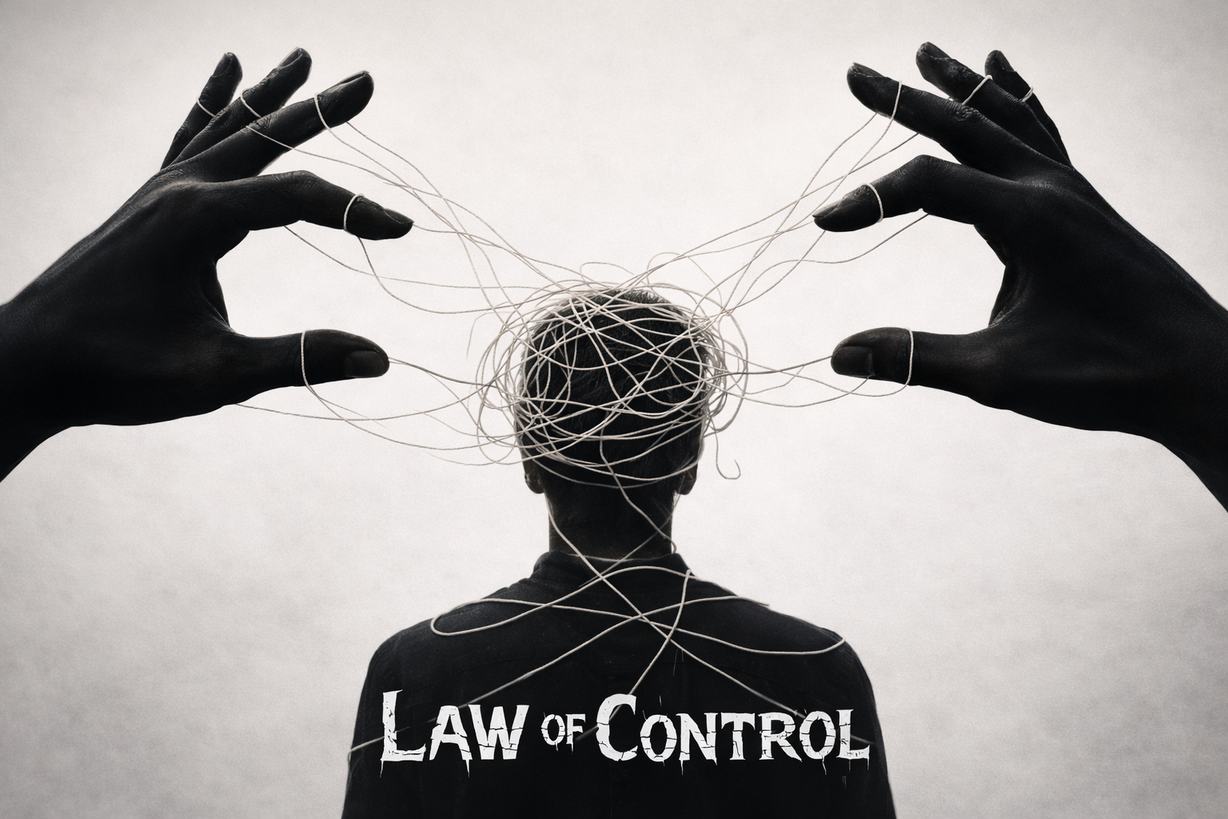
One important distinction: intuition informs your choices. It does not justify controlling, monitoring, or fixing others. When intuition is healthy, it empowers boundaries rather than manipulation.
Closing Thoughts: Relationships as Mirrors
Relationships often reveal what we are ready to see—about ourselves, our needs, our wounds, and our capacity for growth. Intuition acts as a guide through this mirror, offering insight before damage occurs.
When you learn to trust intuitive signals without abandoning logic or self-compassion, relationships become less about guessing and more about alignment.