If you’ve ever looked at your life and thought, “How on earth did I end up here?”, well, same. Who hasn’t?
But it also means you are familiar with one of the most powerful spiritual metaphysical principles in existence: the Law of Cause and Effect.
Also known as the law that politely (and sometimes not so politely) reminds us that nothing happens out of nowhere.
This law is one of the 12 Spiritual Metaphysical Laws, and unlike some concepts that feel abstract or floaty, this one is stubbornly practical. It shows up in your career, your relationships, your finances, your health, and yes…even in that recurring argument you swore you were “done having.”
In simple terms, the Law of Cause and Effect says this:
Every action, thought, belief, and choice sets something in motion, and eventually, it comes back to you.
Think of it less as cosmic punishment and more as life keeping very detailed records.
What Exactly Is the Law of Cause and Effect?
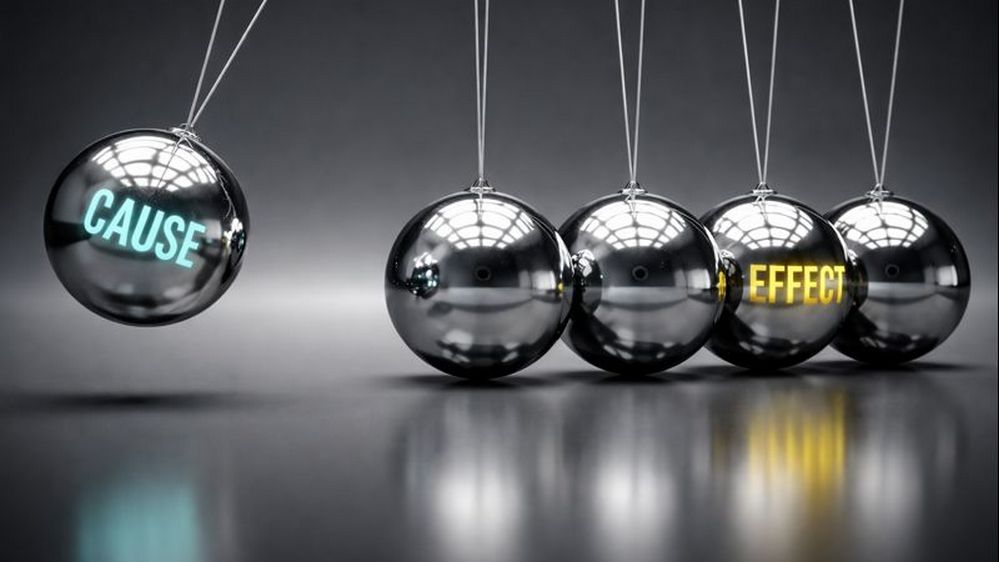
At its core, this law states that every cause produces an effect, and every effect has a cause. Nothing happens by accident, luck, or random chance, no matter how much we’d like to blame Mercury retrograde or “bad timing.”
In metaphysical terms, this law goes beyond physical actions. It includes:
- Thoughts you repeat
- Beliefs you carry
- Emotional patterns you reinforce
- Choices you avoid as much as choices you make
In other words, life doesn’t just respond to what you do. It responds to who you are.
For a generation raised on hard work, personal responsibility, and “you reap what you sow,” this law probably sounds familiar. The difference is that metaphysics widens the lens. It says the sowing starts long before the visible harvest.
The Invisible Seeds We Forget We’re Planting
Here’s where the Law of Cause and Effect gets interesting, and a little uncomfortable.
Most of us are very aware of our effects. The stalled career. The strained relationship. The sense of dissatisfaction that creeps in during quiet moments. What we’re less aware of are the invisible causes that created them.
That job you dislike? Maybe it didn’t come from bad luck, but from years of undervaluing yourself.
That relationship pattern? Possibly not “all the wrong people,” but an old belief about what you deserve.
That constant feeling of rushing? It could be the result of decades spent equating worth with productivity.
The law doesn’t judge. It doesn’t shame. It simply reflects.
And yes, it reflects accurately.
Why This Law Hits Differently After 40
Previous generations didn’t grow up with manifestation podcasts or Instagram affirmations. You grew up with responsibility, structure, and consequences that arrived swiftly and without emojis.
Which is exactly why the Law of Cause and Effect resonates so strongly later in life.
By midlife, patterns become visible. You start noticing themes instead of isolated events. You recognize that some “coincidences” have been showing up for decades.
This law isn’t about regret. It’s about recognition.
It says: If you created this once, you can create something different now.
That’s not pressure. That’s power.
Cause and Effect Is Not Karma’s Mean Cousin
Let’s clear something up. The Law of Cause and Effect is often confused with karma, and karma often gets a bad reputation…as if the universe is sitting there with a clipboard, waiting for you to mess up.
That’s not what’s happening.
This law isn’t out to punish you for past mistakes. It’s simply operating on consistency. Just like gravity doesn’t judge you for tripping, cause and effect doesn’t moralize your choices.
It just says: Energy moves forward.
If you consistently choose silence over expression, the effect may be resentment.
If you consistently choose self-respect, the effect may be peace, even if it costs you approval.
The law isn’t cruel. It’s honest.
The Sneaky Power of Small Causes
One of the most overlooked aspects of this law is that tiny causes create massive effects over time.
A single boundary set calmly can change the entire dynamic of a relationship.
A small daily habit can reshape your health more than one dramatic overhaul.
A shift in self-talk can alter decisions you haven’t even made yet.
This is especially relevant for people who feel it’s “too late” to change things. The Law of Cause and Effect doesn’t care about your age. It cares about your direction.
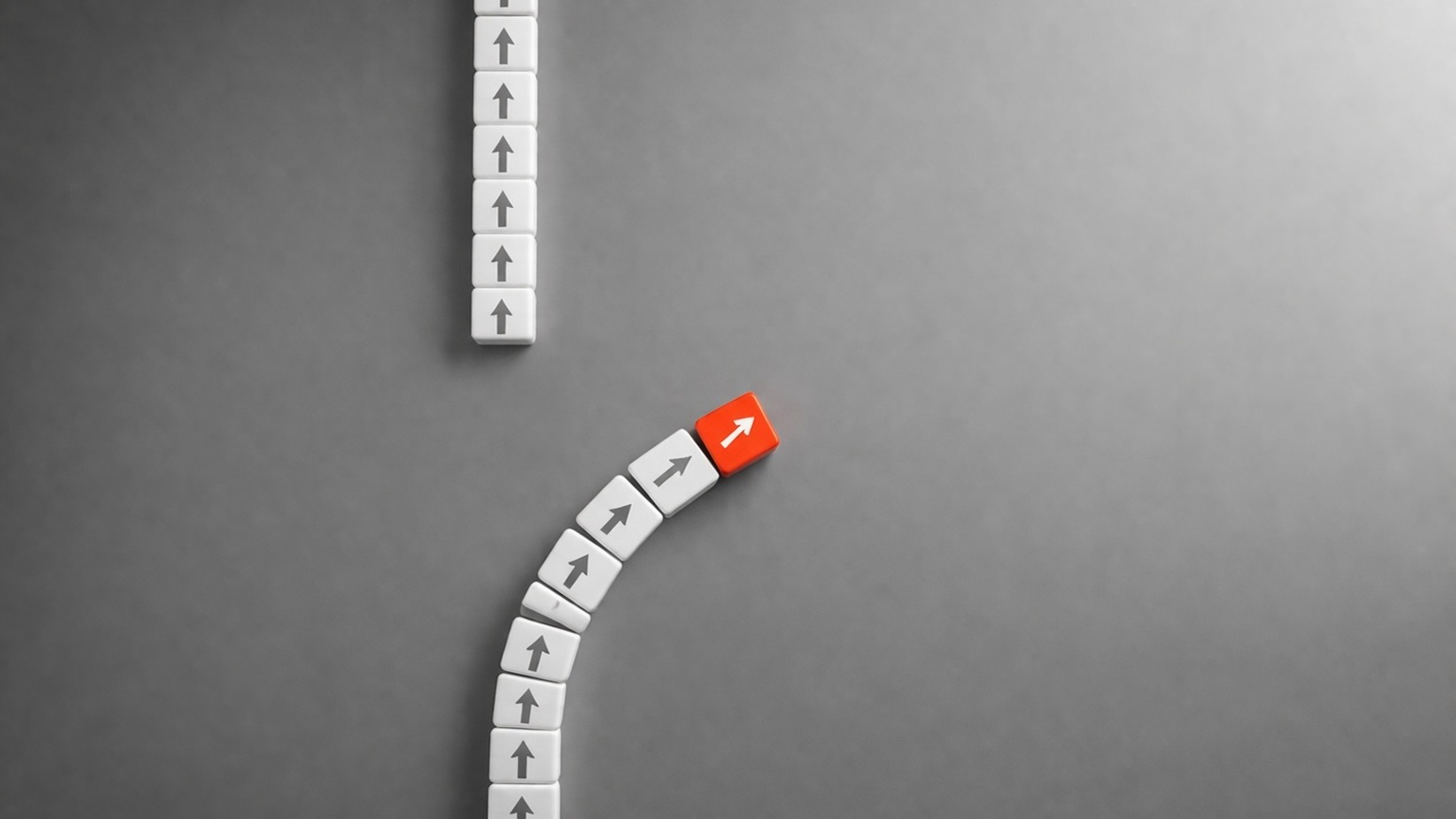
Change the cause, and the effect must change. That’s not optimism. That’s the law.
Where People Get Stuck
Most people unknowingly try to change effects while keeping the same causes.
They want:
- Better relationships without changing communication
- More fulfillment without changing priorities
- Peace without addressing unresolved patterns
The law gently but firmly refuses to cooperate with this approach.
It doesn’t respond to wishful thinking. It responds to alignment. And alignment doesn’t require perfection. It requires honesty.
Using the Law Intentionally (Without Becoming a Monk)
You don’t need to meditate on a mountaintop or journal for three hours a day to work with this law. You just need awareness.
Ask yourself:
- What patterns keep repeating?
- What beliefs might be fueling them?
- What small cause can I change today?
This law works whether you believe in it or not. The only difference is whether you use it consciously or unconsciously.
One leads to frustration. The other leads to authorship.
The Real Takeaway
Now remember, the Law of Cause and Effect isn’t about control. It’s about responsibility with compassion.
It doesn’t say, “You caused everything bad, so blame yourself.”
It says, “You are powerful enough to influence what comes next.”
For generations that value wisdom earned through experience, this law offers something rare: clarity without condemnation.
Life isn’t happening to you.
It’s responding to you.
And the moment you understand that, the story starts changing, one cause at a time.