
Life is full of patterns, isn’t it? Somewhere between your third serious attempt at
“cutting down on sugar” and your annual promise to respond to messages faster, you
notice a specific pattern.
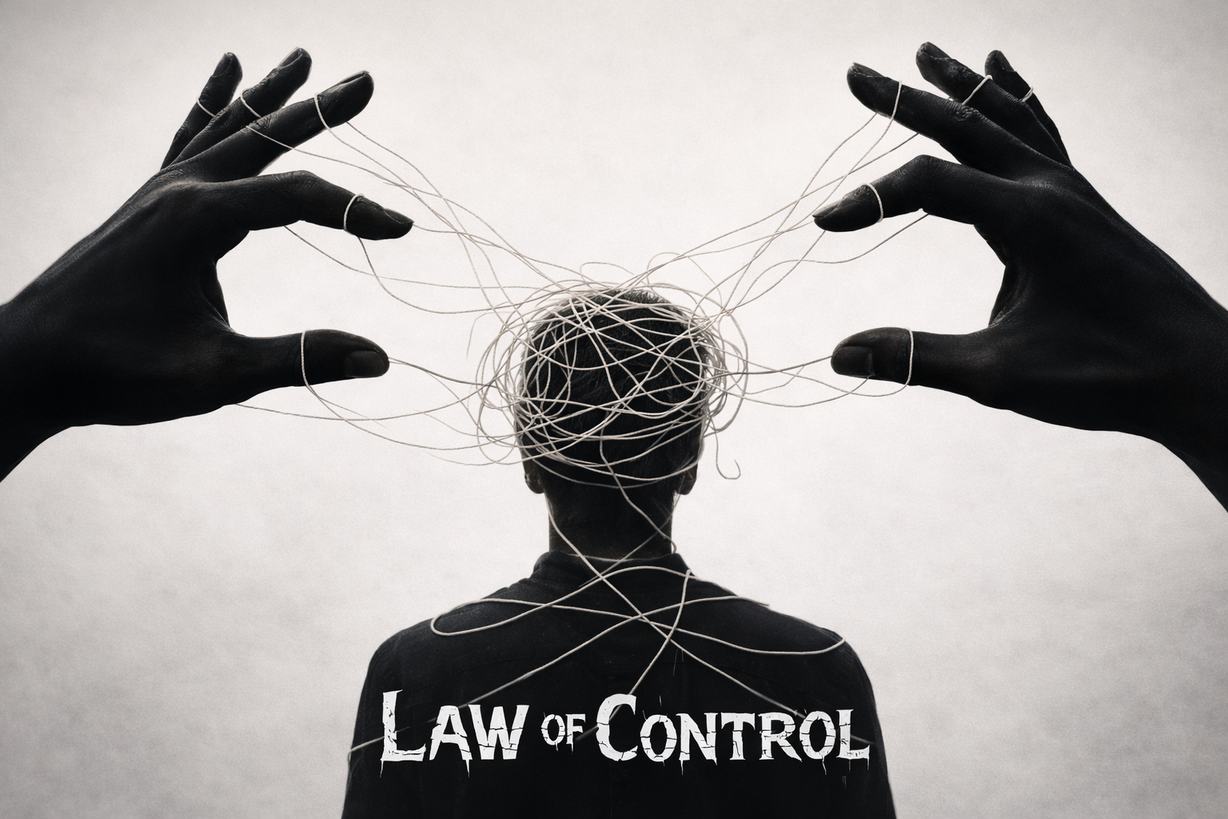
The tighter you hold on to things, the faster they slip through your fingers like a bar of
soap in the shower. Relationships become rocky when you overmanage them. Sleep
disappears the minute you chase it. Careers stall when you try to force them.
Welcome to the Law of Surrender. It enters with a raised eyebrow, asking a simple
question: “What if you stopped fighting so hard?”
The Law of Surrender is one of the core spiritual and metaphysical principles that governs how energy, intention, and outcomes flow in our lives. It is often misunderstood, frequently resisted, and quietly responsible for many of our greatest breakthroughs…usually right after we’ve exhausted ourselves trying to control everything.
What the Law of Surrender Really Means
Now, don’t get me wrong. Surrender does not mean passivity.
It certainly does not mean lying on the couch waiting for the universe (or some higher
power) to pay your bills.
The Law of Surrender is about releasing resistance to what is so that you can respond wisely to what can be. It asks you to stop arguing with reality long enough to hear what it’s telling you.
At its core, this law teaches that when you stop resisting the present moment (emotionally, mentally, and energetically), you create space for clarity, alignment, and meaningful action.
Resistance drains energy. Acceptance redirects it.
In other words, surrender is not quitting. It’s recalibrating.
Why Control Becomes Exhausting After 40
By the time you hit midlife, you’ve probably tried control in all its forms. You’ve planned meticulously. You’ve pushed through deadlines, expectations, and other people’s opinions. You’ve learned that effort is necessary, but you’ve also learned that effort alone does not guarantee results.
The Law of Surrender often becomes relevant when control stops working. Not because you’re weak, but because life has grown more complex. There are children with opinions, aging parents with needs, bodies that no longer bounce back overnight, and a world that refuses to follow your carefully prepared spreadsheets.
Surrender arrives not as defeat, but as wisdom earned the hard way.
The Physics Behind Letting Go
Metaphysically speaking, resistance creates energetic friction. When you push against a situation, e.g., mentally replaying it, resenting it, or trying to force a different outcome, you’re investing energy in opposition rather than movement.
Surrender removes the friction.
Think of it like swimming against a current versus learning how to float and steer. The current doesn’t disappear, but your relationship with it changes. You stop wasting energy fighting what’s already happening and start using that energy to navigate.
This is why surrender often precedes solutions. Once the emotional charge drops, perspective returns. And perspective, unlike panic, tends to be useful.
What Surrender Looks Like in Real Life
Surrender shows up in very ordinary ways. It’s the moment you stop replaying an argument in your head at 2 a.m. It’s deciding not to send the seventh follow-up email, which no one has answered yet. It’s accepting that a chapter has ended, even if you didn’t get the closure scene you wanted.
It can sound like:
“This is where things are right now.”
“I don’t like this, but I can face it.”
“I’ll take the next clear step instead of forcing the whole staircase.”
Surrender doesn’t erase emotion. It allows emotion to move through instead of setting up permanent residence.
The Irony – Surrender Often Leads to Better Outcomes
One of the more annoying truths about the Law of Surrender is that it works best once you stop trying to make it work.
People often report that opportunities appear after they’ve let go of desperation. Relationships shift once expectations loosen. Health improves when the body is listened to instead of being bullied.
This isn’t mystical favoritism. It’s alignment.
When you surrender, your decisions stop being driven by fear and start being informed by awareness. You notice more. You react less. You respond better. And others respond differently to you in return.
It’s remarkable how often life cooperates once it’s no longer being wrestled into submission.
Surrender Is an Ongoing Practice, Not a One-Time Event
If you’re imagining surrender as a single, cinematic moment of release followed by eternal peace, allow reality to gently intervene. Surrender is more like brushing your teeth. It needs regular attention, and skipping it leads to a buildup you’d rather not deal with later.
Old habits resurface. Control sneaks back in, wearing practical shoes and reasonable excuses. The mind insists it’s just being “responsible.” This is normal.
The Law of Surrender doesn’t demand perfection. It invites awareness. Each time you notice resistance and choose acceptance instead, you realign.
Why Surrender Requires Courage
Despite its soft reputation, surrender is not for the faint-hearted. It requires trusting that you don’t need to micromanage the universe to survive. It asks you to release the illusion that control equals safety.
For many, especially those who’ve spent decades being capable, reliable, and strong, this can feel unsettling. But surrender doesn’t take away your strength. It refines it.
It replaces force with intelligence. Effort with timing. Reaction with intention.
Living the Law of Surrender
Living this law doesn’t mean withdrawing from ambition or responsibility. It means engaging with life without gripping it like a stress ball.
You show up. You do your part. You listen. And then you allow outcomes to unfold without attaching your entire identity to them.
Over time, surrender becomes less about “letting go” and more about “letting life work with you instead of against you.”
And somewhere along the way, you realize something quietly profound: peace was never on the other side of control. It was waiting right here, in acceptance, all along.
The Law of Surrender doesn’t promise ease. It promises alignment. And for those who’ve spent years carrying the weight of trying to make everything happen, that alignment can feel like finally putting down a very heavy bag you forgot you were holding.
Sometimes, the bravest thing you can do is stop pushing and see what happens when you allow.