Intuition is often treated as something mystical, irrational, or impossible to explain. Yet neuroscience increasingly suggests that intuition is not the opposite of intelligence—it’s a different form of intelligence. One that operates faster than conscious thought, drawing on memory, pattern recognition, and subconscious processing.
While intuition has long been explored through spiritual and metaphysical traditions, modern brain science is beginning to map how intuitive knowing actually functions inside the human nervous system. The result is a fascinating bridge between instinct, experience, and awareness.
What Scientists Mean When They Say “Intuition”
In neuroscience, intuition is often described as rapid, non-conscious processing. The brain continuously absorbs information—far more than the conscious mind can track. Intuition arises when the brain detects meaningful patterns and delivers a conclusion before you’ve consciously reasoned through it.
In other words, intuition isn’t random. It’s compressed intelligence. A shortcut formed by experience, observation, emotion, and memory working together behind the scenes.
The Brain Systems Behind Intuitive Insight
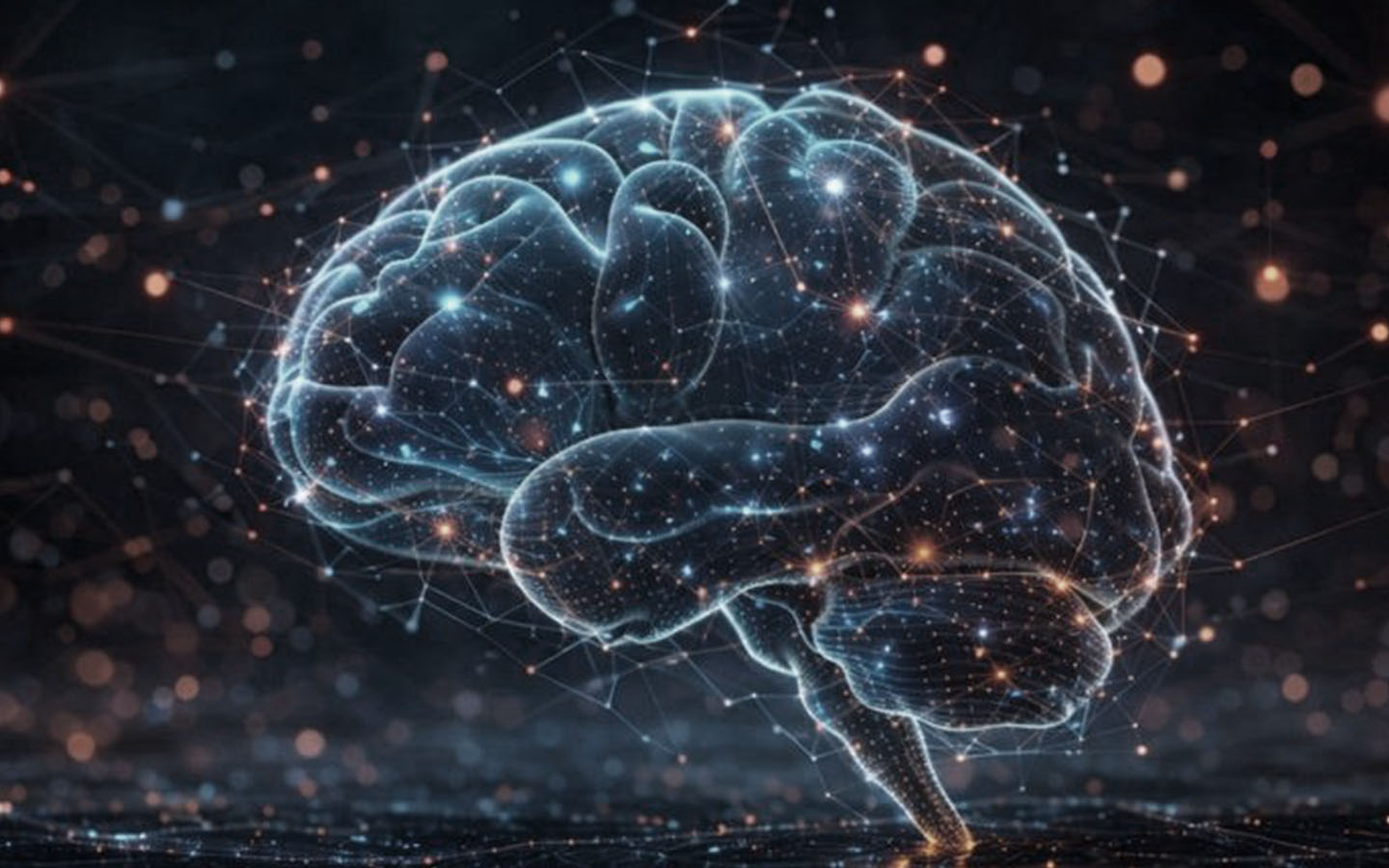
Several interconnected brain regions contribute to intuitive processing. Rather than operating from a single “intuition center,” intuitive insight emerges from a networked system.
The Limbic System: Emotional Pattern Recognition
The limbic system plays a major role in emotional memory and threat detection. It rapidly compares present situations with past experiences and flags familiar emotional patterns. This is why intuition often feels like a “gut reaction”—it’s closely tied to emotional memory.
The Insula: Interoception and Gut-Brain Communication
The insula is involved in interoception—the brain’s awareness of internal bodily states. It helps translate physical sensations into conscious awareness. When people say they “felt something in their gut,” neuroscience confirms this isn’t metaphorical.
The gut contains its own neural network, often referred to as the enteric nervous system. Signals between the gut and brain influence mood, perception, and decision-making, contributing to intuitive awareness.
The Prefrontal Cortex: Integration and Meaning
While intuition often precedes conscious reasoning, the prefrontal cortex plays a role in integrating intuitive signals. It evaluates whether an intuitive insight aligns with logic, context, and long-term goals.
Highly intuitive individuals often show strong communication between emotional and rational brain regions, allowing intuition to inform decisions without overriding reason.
Why Intuition Feels Instant
Conscious thought is relatively slow. Intuition operates at a speed measured in milliseconds. By the time you “feel” an intuitive insight, your brain has already processed vast amounts of data.
This speed advantage explains why intuition is especially valuable in complex or uncertain situations— environments where there isn’t enough time or information for purely analytical thinking.
Intuition vs. Guessing: What’s the Difference?
Guessing lacks a data foundation. Intuition is informed by experience—even if that experience isn’t consciously recalled. Research shows that experts in many fields (medicine, chess, aviation, athletics) often rely on intuitive judgment developed through repeated exposure and pattern recognition.
Intuition becomes more accurate when:
- experience is deep and relevant
- emotional awareness is developed
- stress levels are regulated
- the nervous system is not overwhelmed
When Intuition Goes Wrong
Intuition isn’t infallible. Bias, trauma, anxiety, and unresolved emotional patterns can distort intuitive signals. When the nervous system is in survival mode, intuitive responses may reflect fear rather than insight.
This is why emotional regulation and self-awareness are critical. Calm nervous systems produce clearer intuition.
Strengthening Intuition Through Neuroscience-Friendly Practices
Research suggests that intuitive accuracy improves when the brain is regulated and attentive. Practices that support intuition include:
- mindfulness and meditation
- adequate sleep and rest
- journaling intuitive impressions
- slowing decision-making under stress
- learning to differentiate intuition from anxiety
The Bridge Between Science and Spiritual Insight
Neuroscience doesn’t dismiss intuition—it reframes it. What spiritual traditions have long described as inner knowing, science increasingly recognizes as advanced pattern processing and embodied awareness.
Whether you view intuition as neurological, spiritual, or both, the evidence suggests it’s a legitimate form of intelligence—one that deserves attention, respect, and cultivation.
Closing Thoughts: Intuition Is Not Anti-Logic
Intuition and logic are not enemies. They are partners. Logic helps explain; intuition helps orient. When used together, they create decisions that are not only smart—but aligned.
The more you understand how intuition works, the less mysterious it becomes— and the more effectively you can work with it as a natural human capacity.